Cowlitz County

Vaping-associated Pulmonary Illness

person using a vaping device

CDC Urges Clinicians to Report Cases of Unexplained Vaping-associated Pulmonary Illness Multiple cases of severe pulmonary disease in patients who use vape products have occurred in Wisconsin and Illinois. Requested actions Ask patients who present with respiratory or pulmonary illness if they vape THC or e-juice. Determine what kind of THC or e-juice they’ve vaped, Vaping-associated Pulmonary Illness


Statewide Standing Order for Naloxone

On Aug. 28, 2019, Washington State Health Officer Dr. Kathy Lofy signed a statewide standing order for naloxone, a medication that can reverse an opioid overdose. The standing order works like a prescription and allows any Washington person or organization to get naloxone from a pharmacy. We want to remind our local pharmacies and healthcare Statewide Standing Order for Naloxone

MMR Vaccine Exemption Law Change

In 2019, the Washington State Legislature passed a bill that removes the personal/philosophical exemption to the MMR vaccine requirement for schools and child cares. The new law removes the personal and philosophical option to exempt children from the MMR (measles, mumps, and rubella) vaccine required for school and child care entry. The law: Takes effect MMR Vaccine Exemption Law Change

Expedited Partner Therapy

There are temporary changes to Expedited Partner Therapy (EPT) packs distribution. This is a result of the Washington State Department of Health undergoing an audit of its program. Please: Stop giving out EPT packs. Give the patient a prescription for their partner to fill at their pharmacy of choice. Advise that the partner will need Expedited Partner Therapy

Marijuana Prevention

We work to protect the health of youth. We work with community partners to prevent youth marijuana use. Marijuana use is illegal for people under the age of 21. Why is this work important? Marijuana use puts teens at higher risk for addiction. Youth who use marijuana are more likely to fail in school. Most Marijuana Prevention

Sexually Transmitted Diseases (STD) Treatment Guidelines: Key Updates

nurse typing on computer with stethoscope laying next to it on a notebook

Treatment of Uncomplicated Gonococcal Infections of the Cervix, Urethra, Pharynx, and Rectum Recommended treatment regimen is dual therapy with Ceftriaxone 250 mg IM in a single dose plus Azithromycin 1 gm p.o. in a single dose. Doxycycline is no longer recommended for use in conjunction with Ceftriaxone to treat gonorrhea. If Ceftriaxone is not available, Sexually Transmitted Diseases (STD) Treatment Guidelines: Key Updates

Caring for Infants Born to Hepatitis B-Infected Mothers

Adapted from the Georgia Department of Public Health Immunize and Test On Time Age Single-antigen hepatitis B vaccine (Engerix-B® or Recombivax HB®) Combination hepatitis B vaccine (Pediarix®) Birth1 (Within 12 hours) Hepatitis B immune globulin (HBIG) AND Hepatitis B vaccine dose #1 Combination vaccine is not approved for the birth dose. See single-antigen guidance. 1– 2 Months2 Hepatitis Caring for Infants Born to Hepatitis B-Infected Mothers

Provider Training Opportunities

Black computer, keyboard and mouse on a desk

These webinars include information for healthcare providers on vaccinations. Details and registration are available below. Partners in Prevention: Pharmacists and Immunizations The Washington Department of Health is collaborating with Jenny Arnold of the Washington State Pharmacy Association to host a webinar on November 15, 2018, from noon to 1 p.m. The webinar is open to Provider Training Opportunities

West Nile Virus

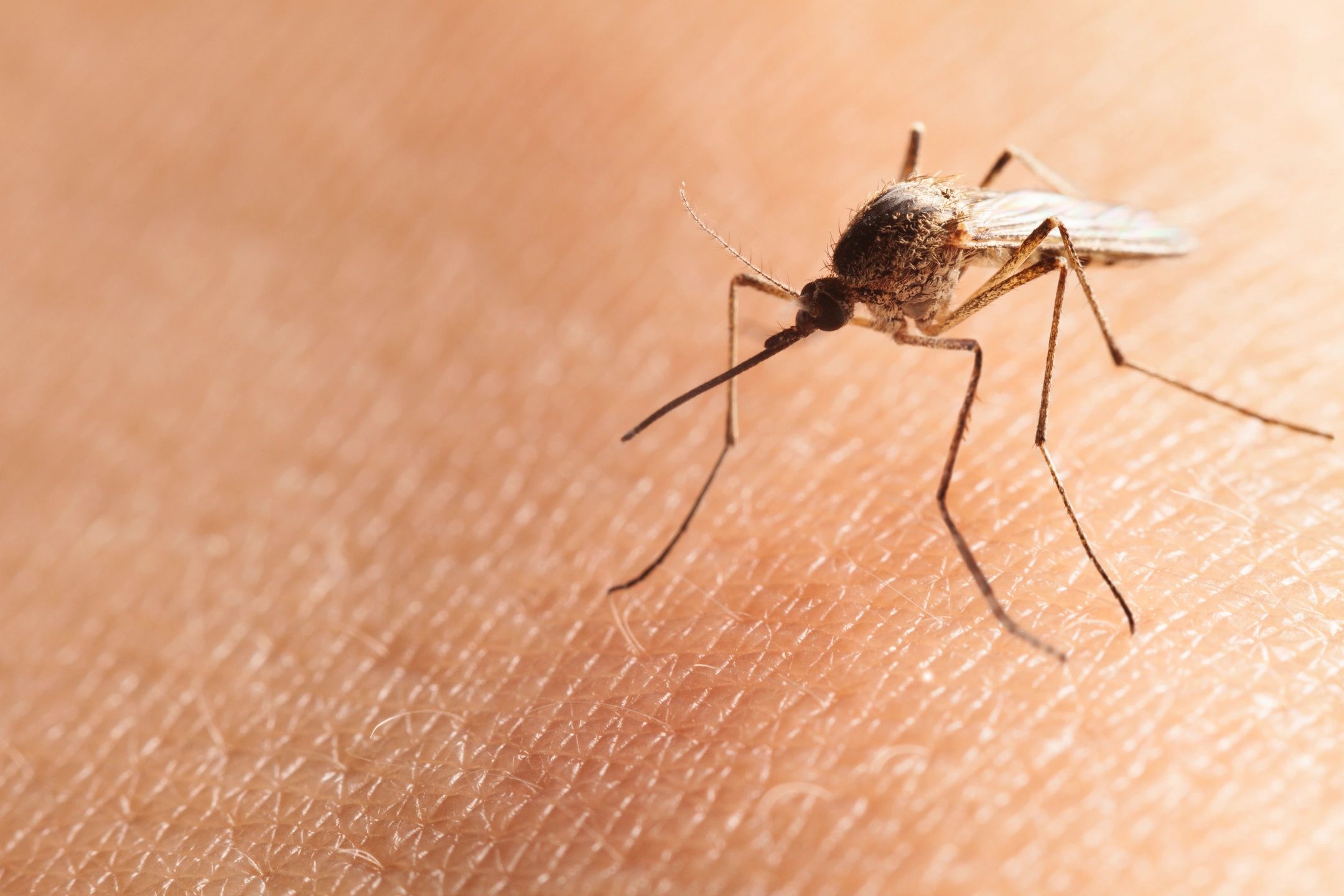
Background and Epidemiology WNV infection first became a public health problem in the United States in the late 1990s. WNV is a mosquito-borne flavivirus in the same family as yellow fever, dengue fever and St. Louis encephalitis. In rare situations, blood transfusion, organ transplant, transplacental, breastfeeding and percutaneous injury of laboratory workers can transmit the West Nile Virus

MRSA Resources for Schools

What is MRSA? Methicillin-resistant Staphylococcus aureus (MRSA) is a type of bacteria resistant to many forms of antibiotics. Many people carry it in their nose or on their skin. Most infections affect the skin, but MRSA can also infect other organs. Without treatment, infections can be life threatening, causing severe complications like sepsis or endocarditis. MRSA Resources for Schools