
-
Health Advisory: Avian Influenza Detected in Dairy Cattle in Yakima County
10/08/2026 Current Situation The United States Department of Agriculture (USDA) National Veterinary Services Laboratories (NVSL) and the Washington State Department of Agriculture (WSDA) have confirmed the first detection of Highly Pathogenic Avian Influenza (HPAI) H5N1 in two dairy farms in Yakima County. The Yakima Health District is in contact with the impacted dairies to monitor…
-
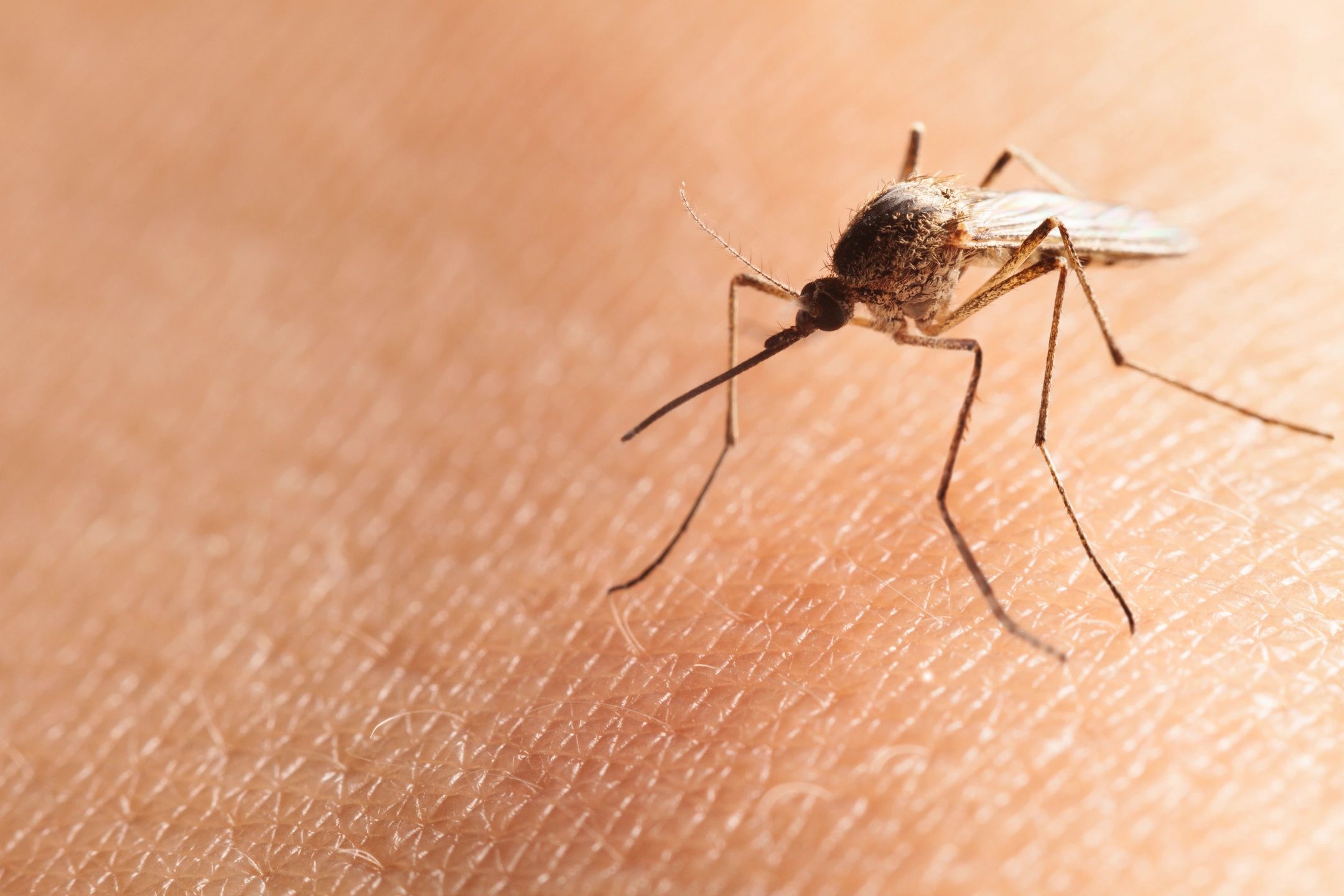
West Nile Virus
Background and Epidemiology WNV infection first became a public health problem in the United States in the late 1990s. WNV is a mosquito-borne flavivirus in the same family as yellow fever, dengue fever and St. Louis encephalitis. In rare situations, blood transfusion, organ transplant, transplacental, breastfeeding and percutaneous injury of laboratory workers can transmit the…
-

MRSA Resources for Schools
What is MRSA? Methicillin-resistant Staphylococcus aureus (MRSA) is a type of bacteria resistant to many forms of antibiotics. Many people carry it in their nose or on their skin. Most infections affect the skin, but MRSA can also infect other organs. Without treatment, infections can be life threatening, causing severe complications like sepsis or endocarditis.…
-

-

Flu Symptoms Checklist
Should my child stay home from school? ☐ Yes ☐ No Does your child have a sore throat, bad cough or runny nose? ☐ Yes ☐ No Does your child have body aches and chills? ☐ Yes ☐ No Does your child have a fever of 100°F or higher? If no thermometer, does your…
-

School Opiate Overdose Resources
Schools can prepare for opiate overdose. About 2,500 Washington State 12th graders had tried heroin at least once and even more (about 3,500 ) use pain killers to get high in any given month. Almost one in 10 teens believe prescription drug misuse carries little to no risk. –2018 Health Youth Survey If a student…
-

Fentanyl Safety Recommendations for First Responders
You can protect yourself from fentanyl exposure. The abuse of drugs containing fentanyl is killing Americans. First responders are likely to encounter fentanyl when responding to overdose calls, conducting traffic stops, arrests and searches. Inhalation of airborne powder is harmful. Wear gloves when you suspect the presence of fentanyl. Questions? Contact Yakima Health District at…
-

Cryptococcus gattii
What is it? C. gattii is a fungus closely related to C. neoformans that can infect the pulmonary and central nervous systems of both animals and humans. Until recently, C. gattii was only found in certain subtropical and tropical environments. In 1999 it emerged on Vancouver Island, British Columbia (BC), Canada. Between 1999 and 2006,…
-

Travel-Associated Illness
[vc_row type=”in_container” full_screen_row_position=”middle” scene_position=”center” text_color=”dark” text_align=”left” overlay_strength=”0.3″ shape_divider_position=”bottom”][vc_column column_padding=”no-extra-padding” column_padding_position=”all” background_color_opacity=”1″ background_hover_color_opacity=”1″ column_shadow=”none” column_border_radius=”none” width=”1/1″ tablet_text_alignment=”default” phone_text_alignment=”default” column_border_width=”none” column_border_style=”solid”][vc_column_text] Ask About Travel Outbreaks of Ebola virus disease and Middle East Respiratory Virus in 2014 and 2015 have increased awareness of the importance of asking patients about travel. Asking about travel has always been important when…
-

Free Immunization E-Course
There Never Was an Age of Reason: Vaccines, Vaccine Hesitancy and Vaccine Decision Making This e-course offers continuing education credits, is hosted by WithinReach and funded by Kaiser WA. Click here to register Objectives Describe the impact of modern vaccines on individual & public health. Identify factors other than hesitancy that contribute to under-immunization. Discuss…
-

MERS-CoV
In September 2012, the Saudi Arabia Ministry of Health announced a new form of coronavirus, since named Middle East Respiratory Syndrome Coronavirus (MERS-CoV). So far all cases have been linked (by residence or travel) to countries in or near the Arabian Peninsula: Bahrain; Iraq; Iran; Israel, the West Bank and Gaza; Jordan; Kuwait; Lebanon; Oman;…
-

Hepatitis A Fact Sheet
Overview Transmission: Fecal-oral. Incubation Period: Average 28-30 days (range 15-50 days). Symptoms: Anorexia, vomiting, abdominal pain, fatigue, followed by jaundice. Severity of illness increases with age. Infectious Period: 14 days prior to onset of jaundice to seven days after onset of jaundice. Infants can excrete virus in the stool for longer periods of time. Epidemiology:…
-

Hepatitis A Fact Sheet
Overview Transmission: Fecal-oral. Incubation Period: Average 28-30 days (range 15-50 days). Symptoms: Anorexia, vomiting, abdominal pain, fatigue, followed by jaundice. Severity of illness increases with age. Infectious Period: 14 days prior to onset of jaundice to seven days after onset of jaundice. Infants can excrete virus in the stool for longer periods of time. Epidemiology:…